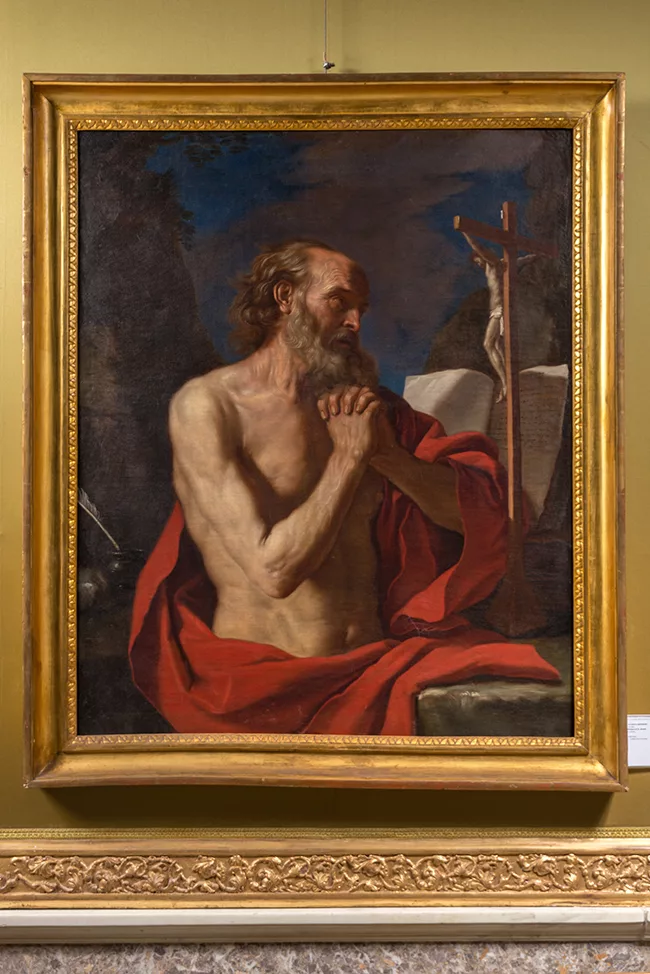
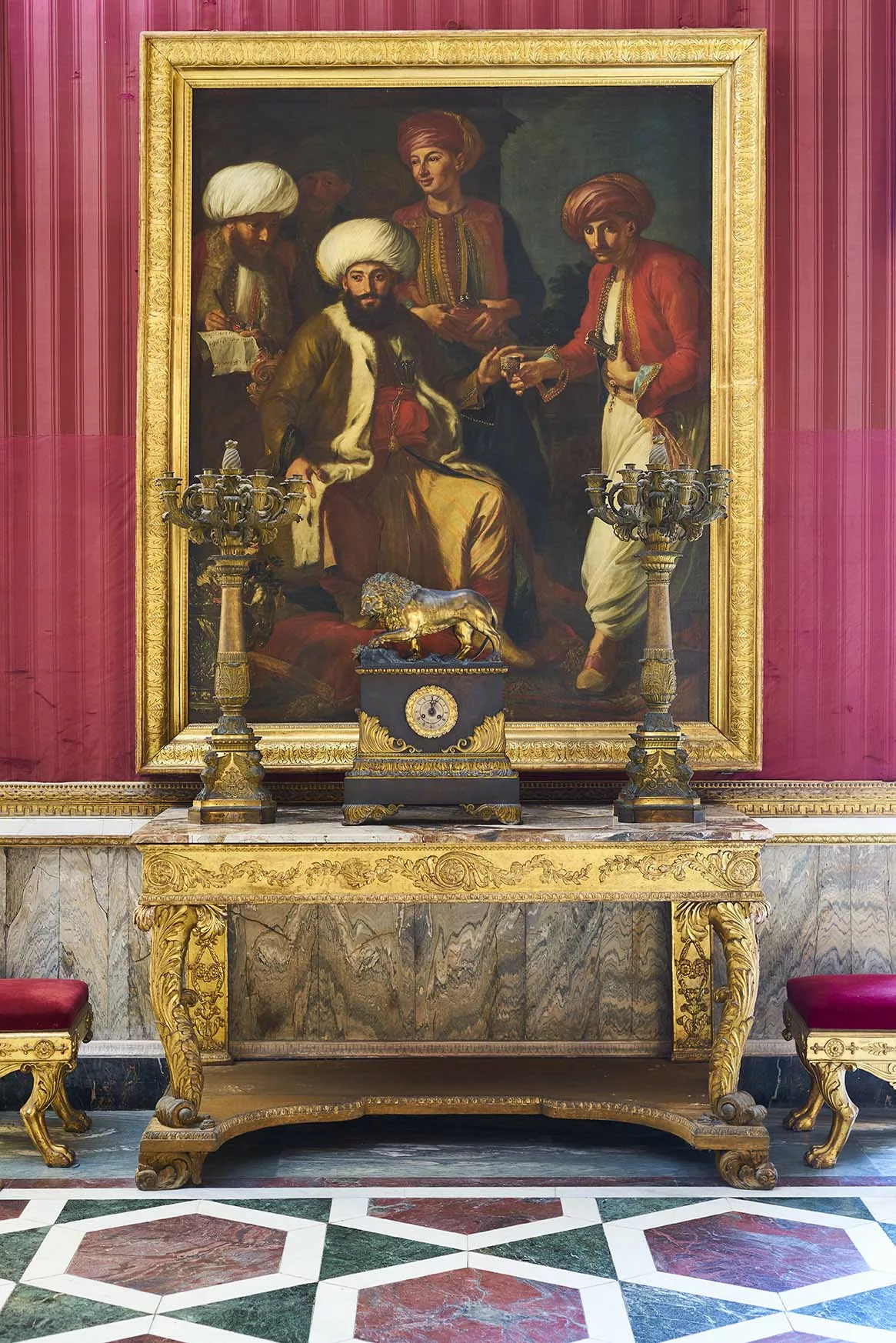
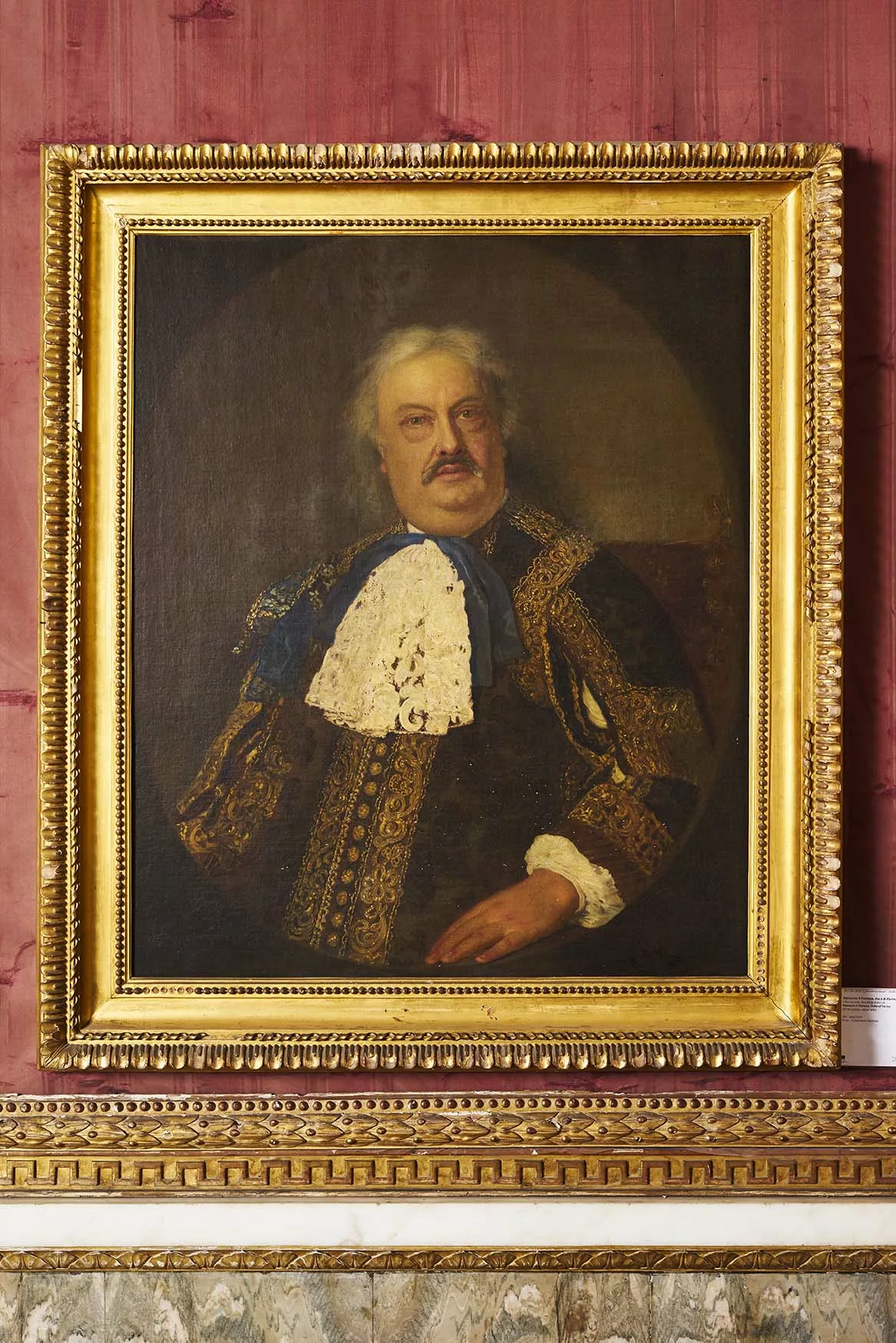
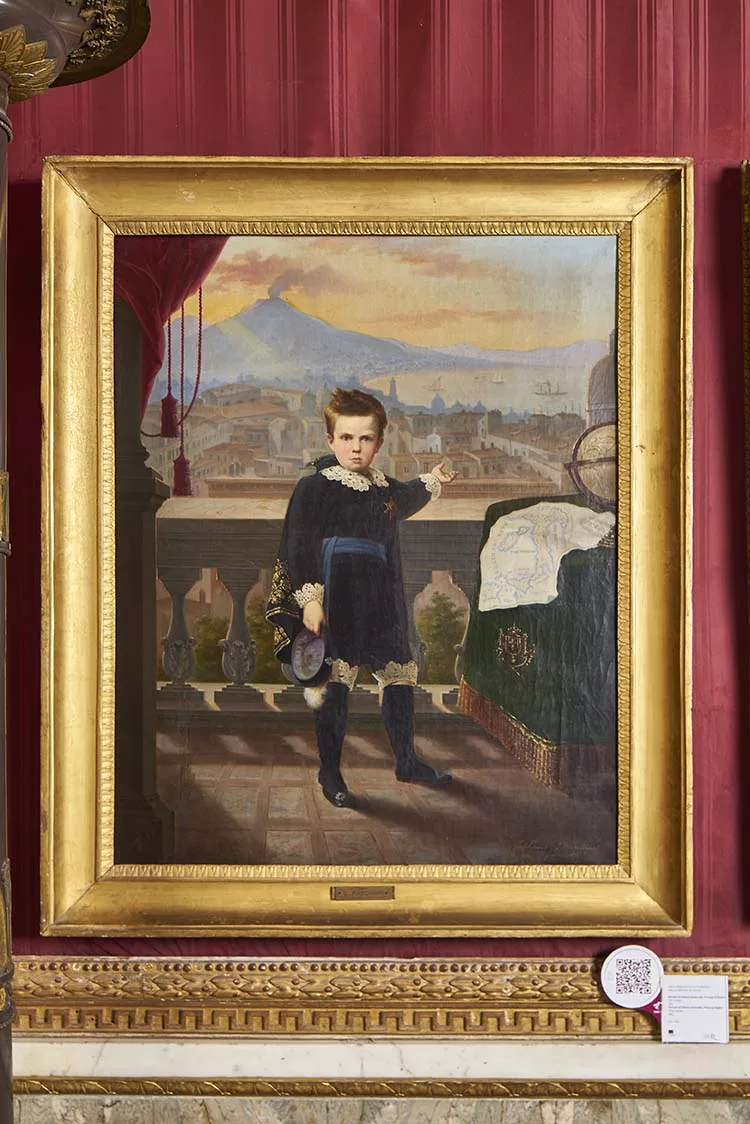
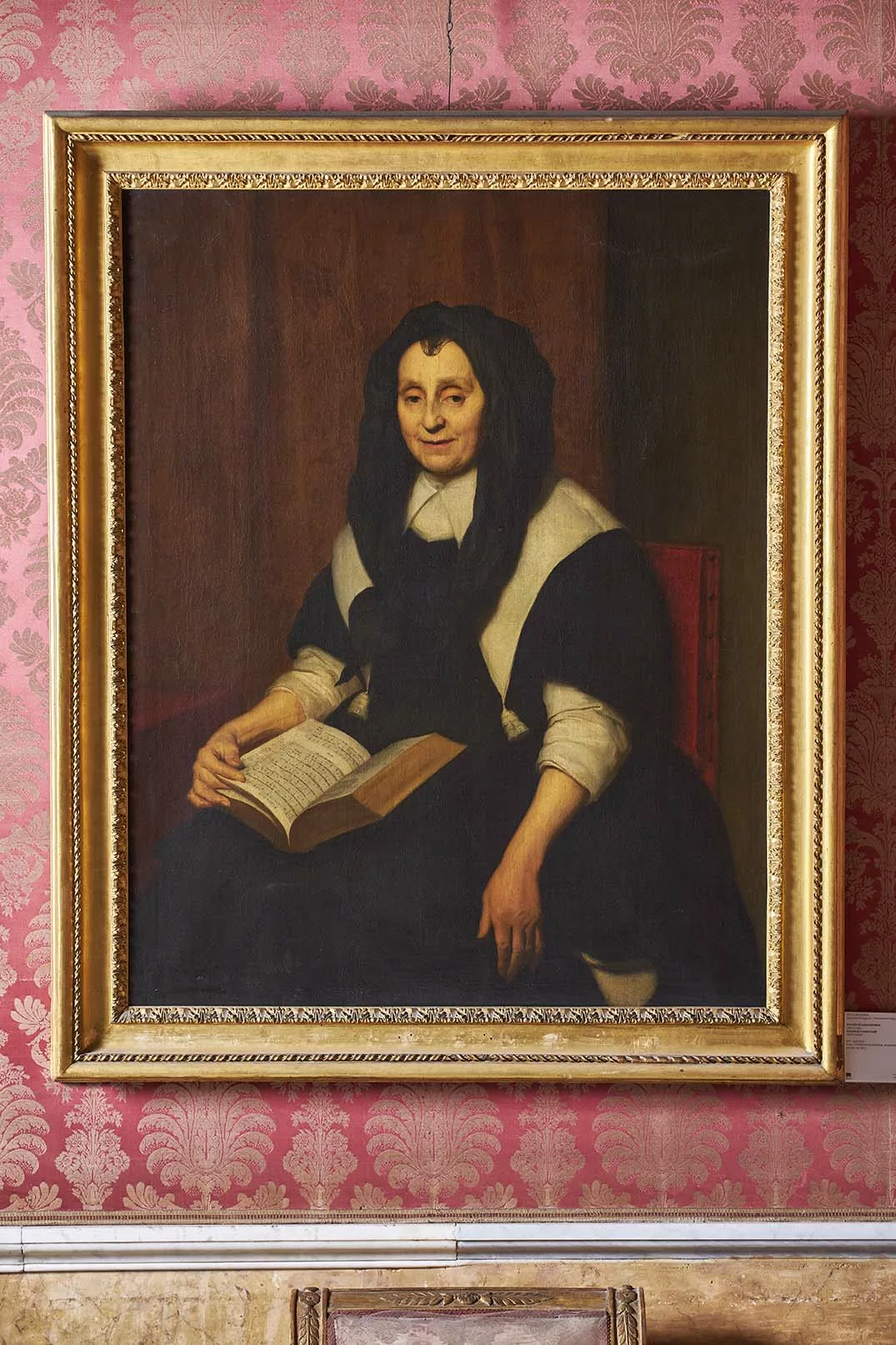
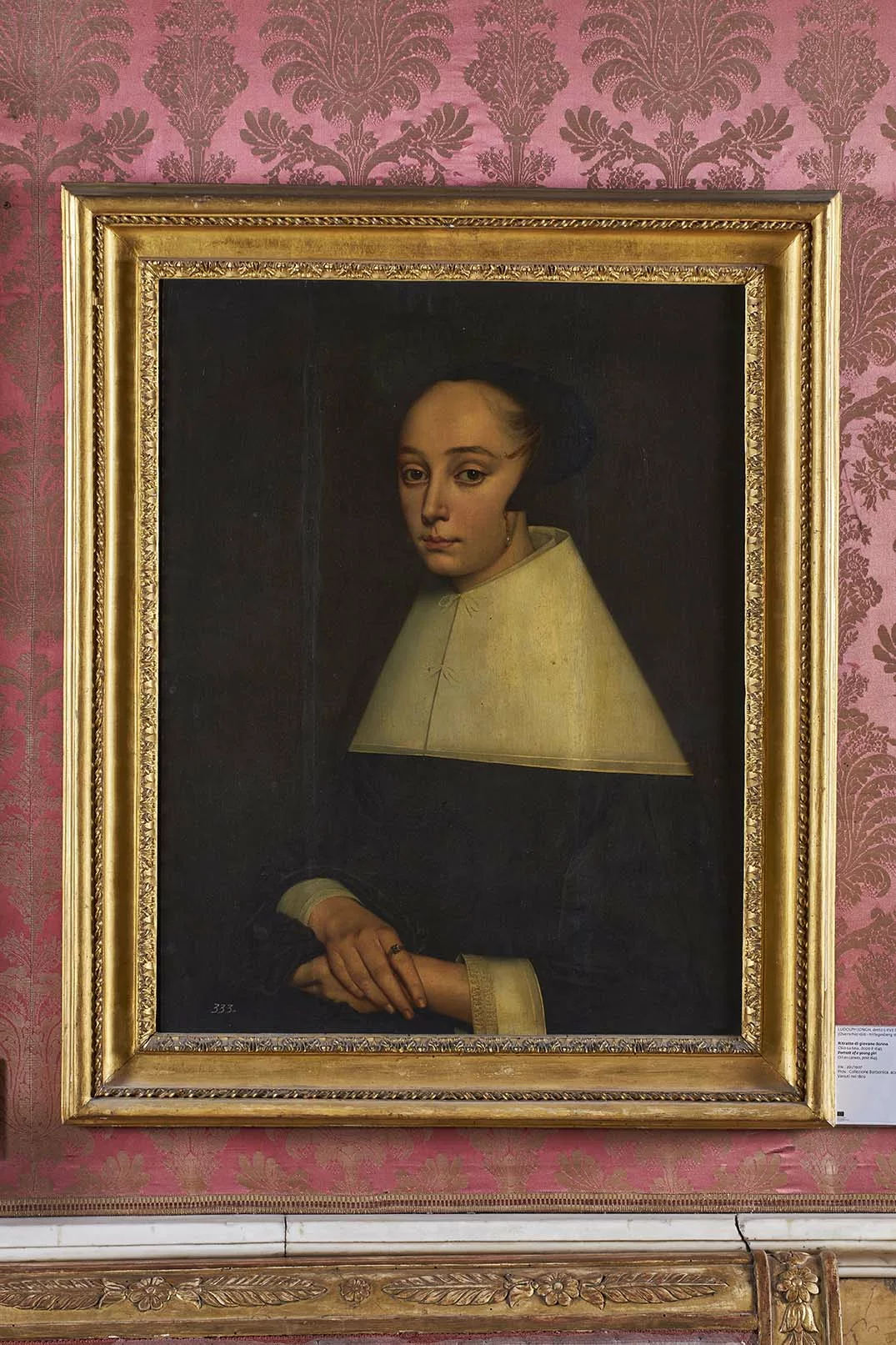
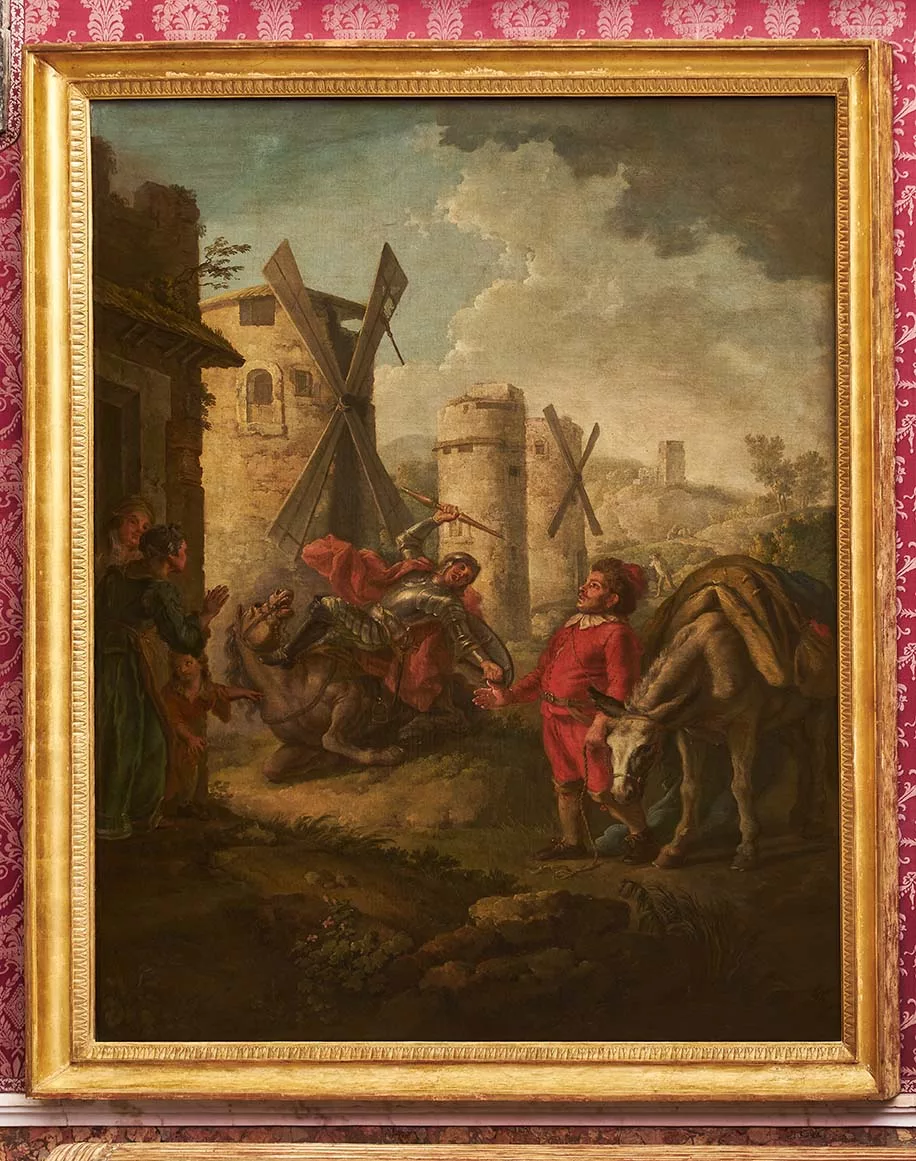
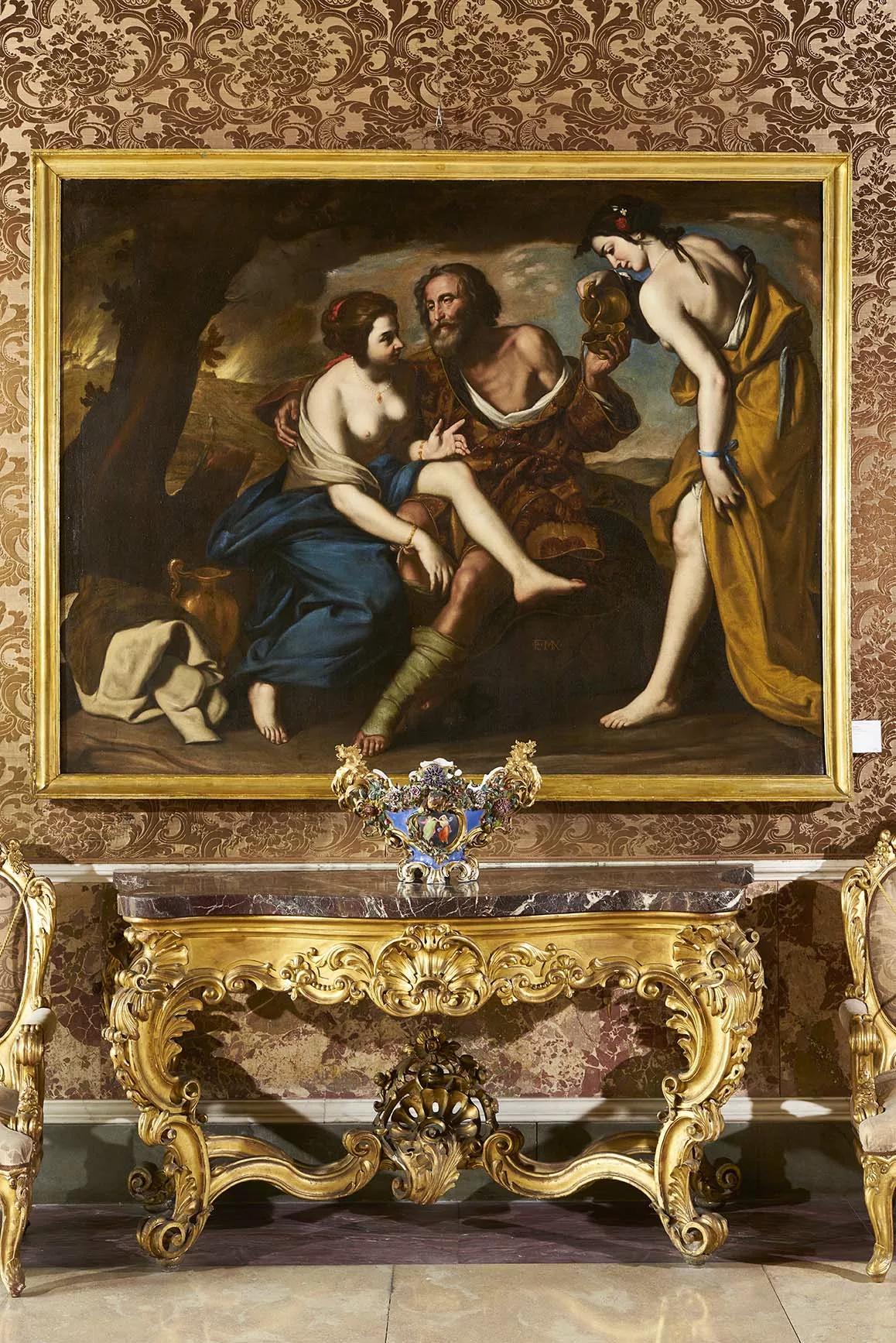
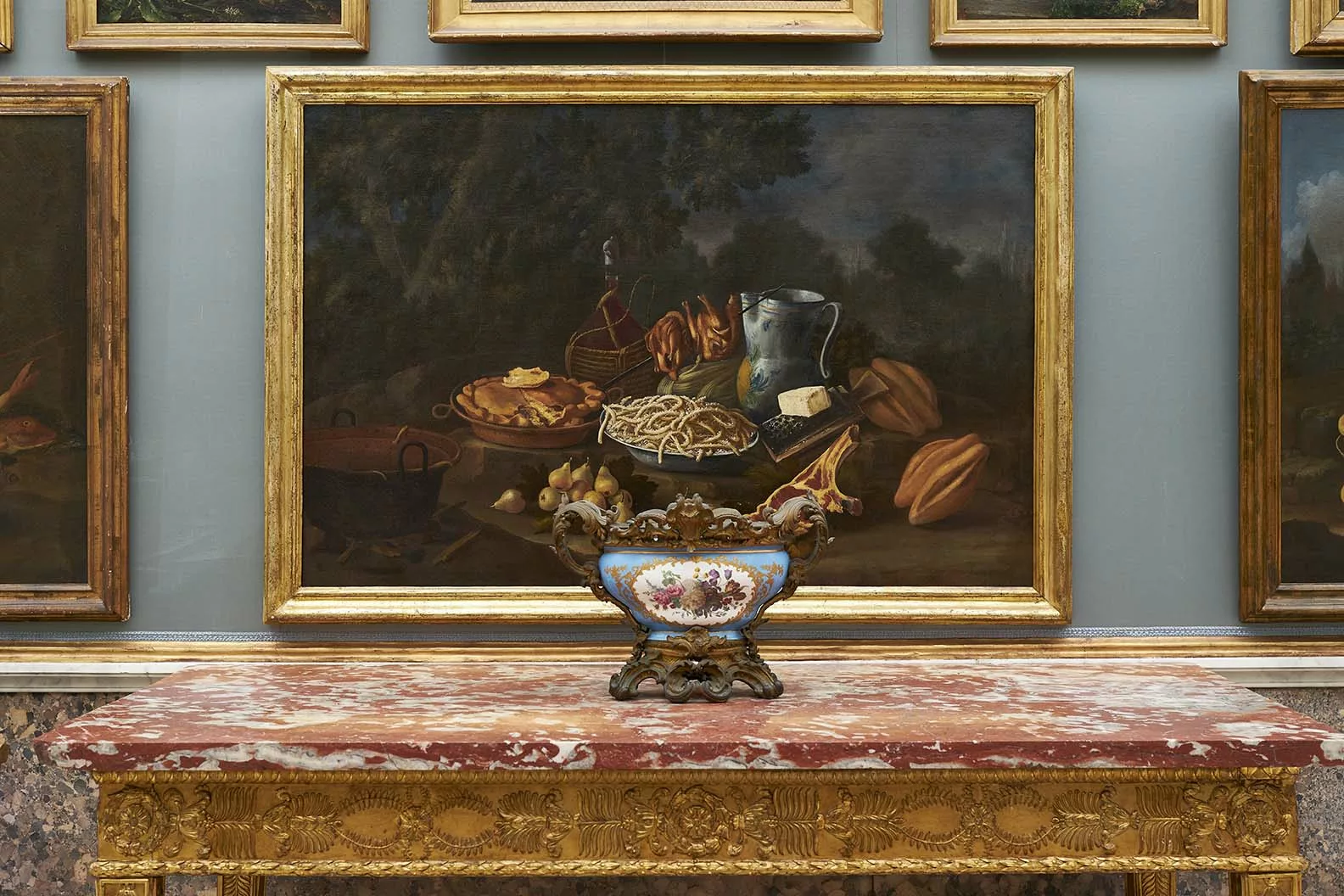
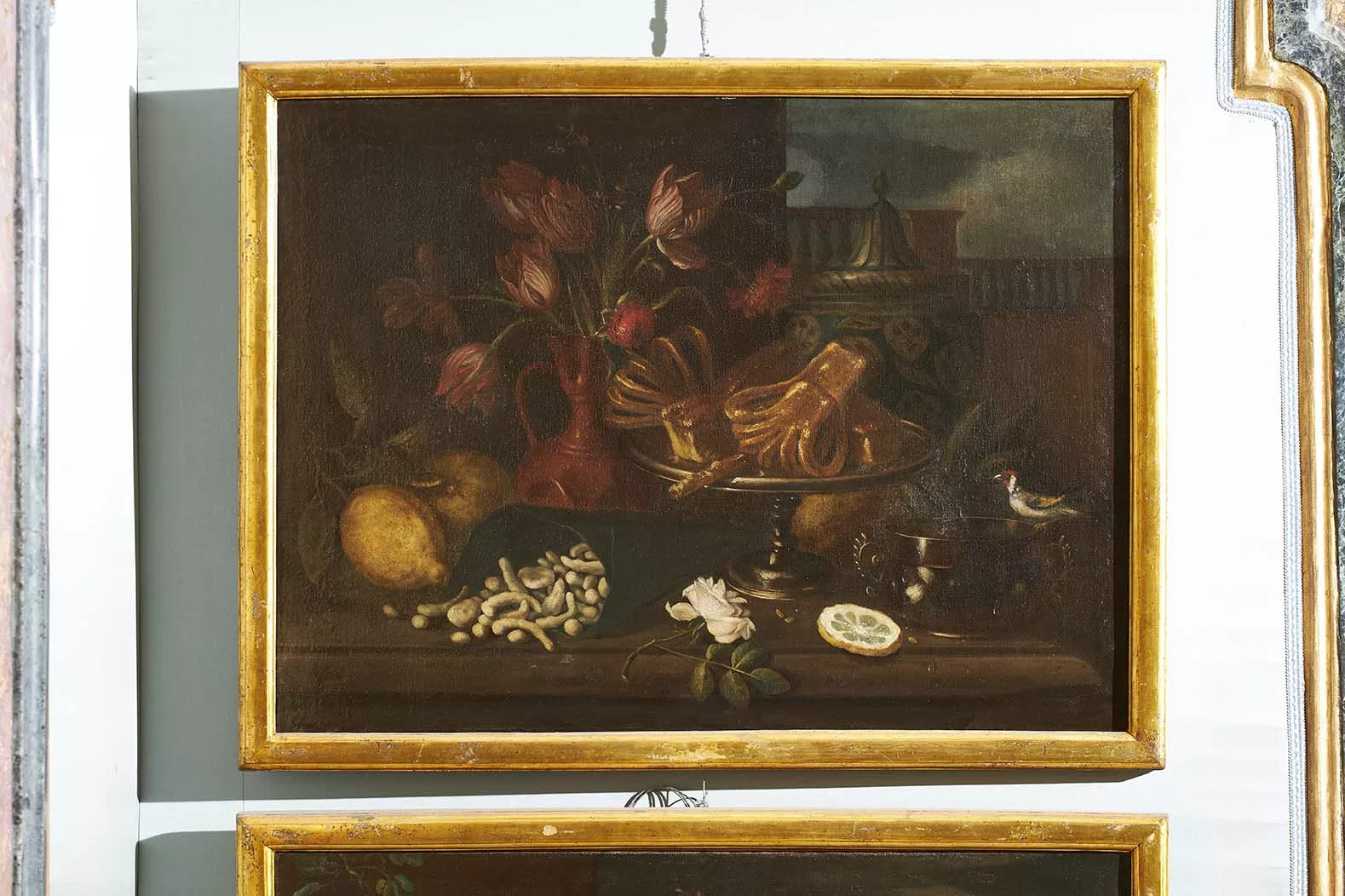
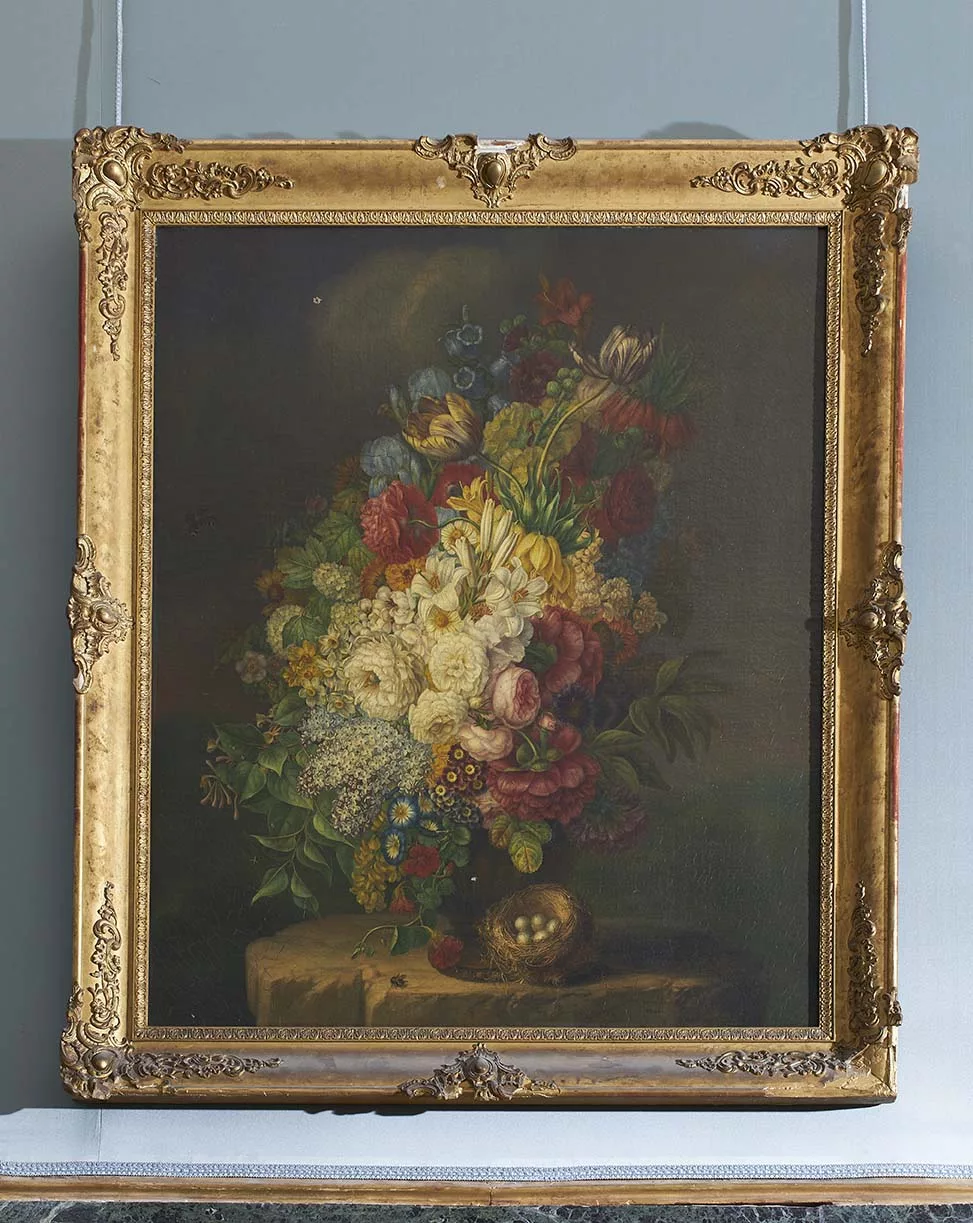
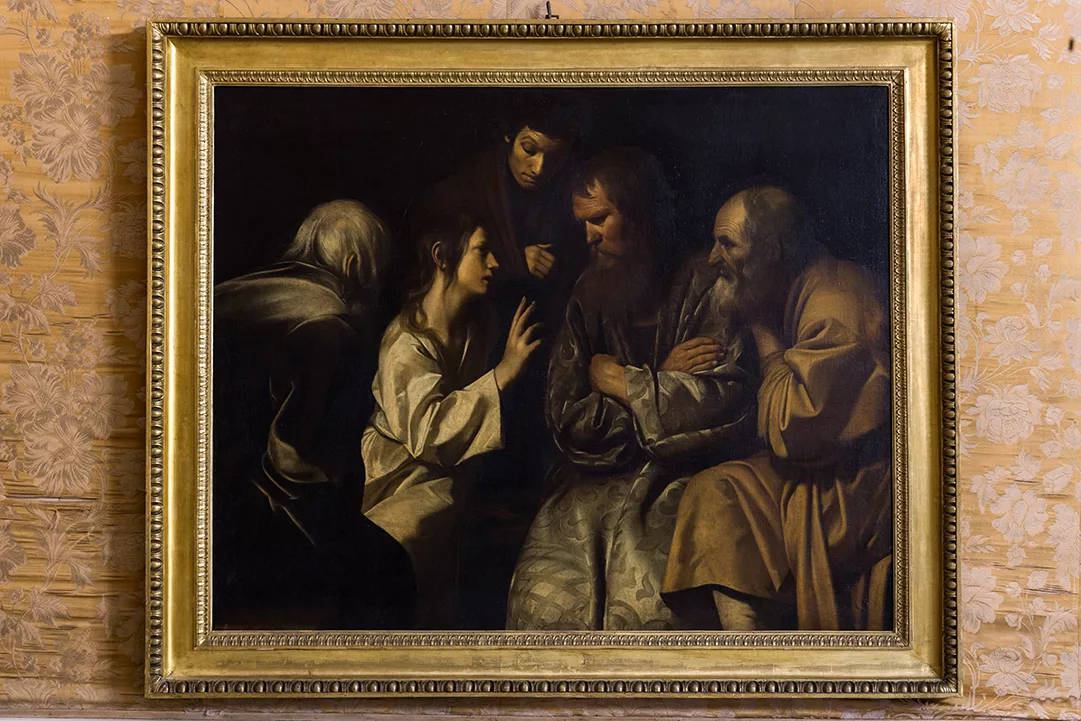
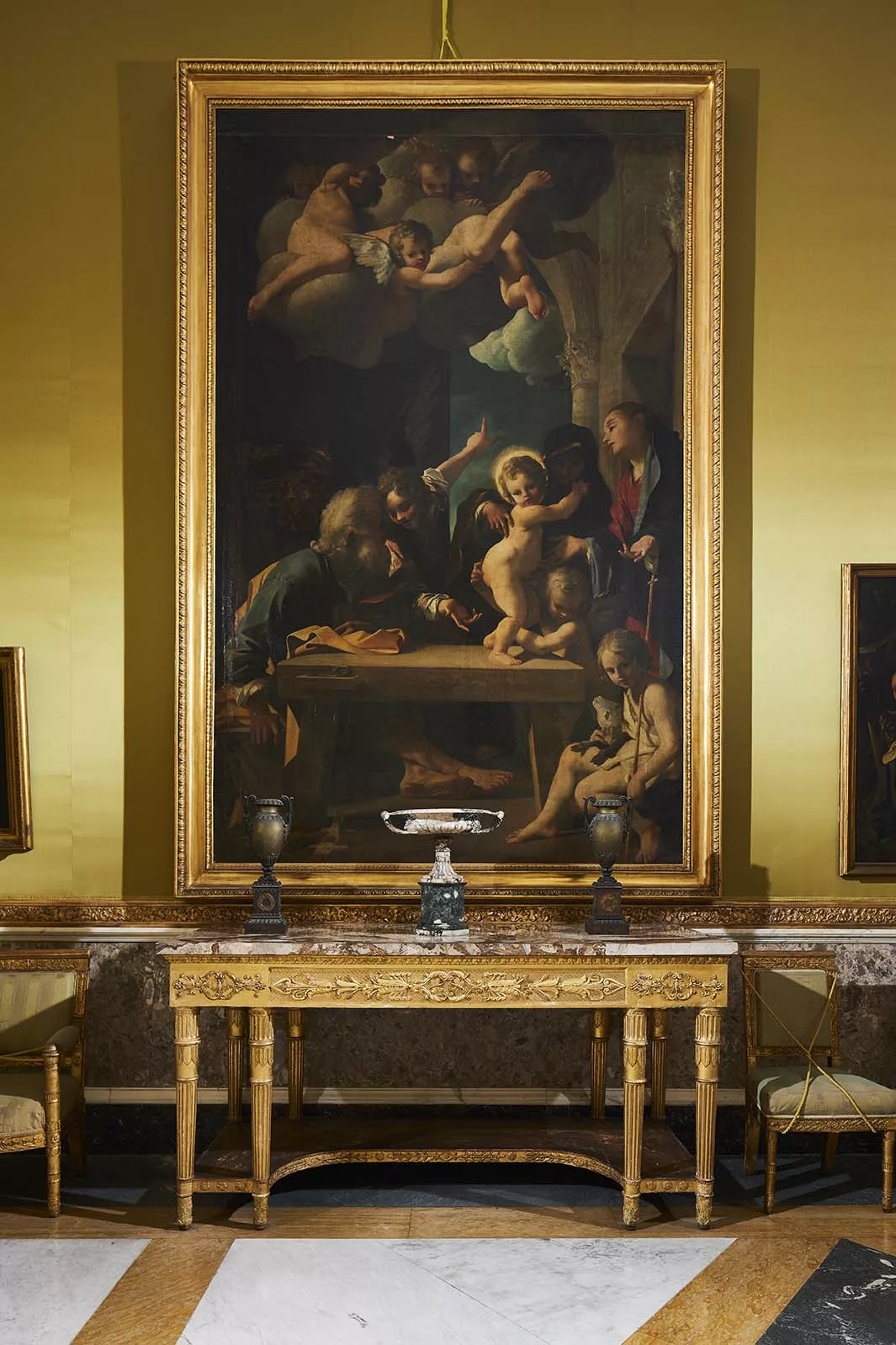
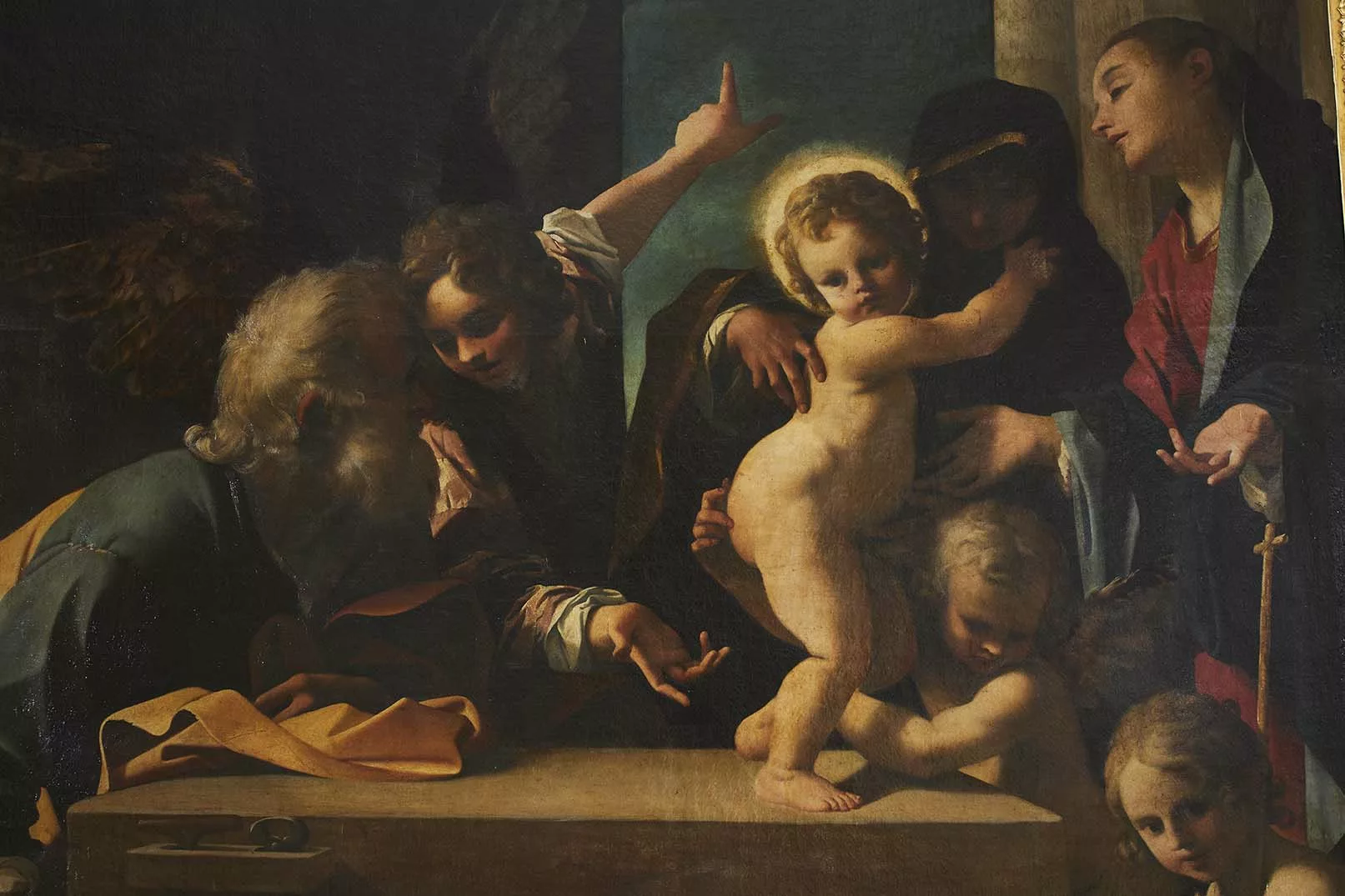
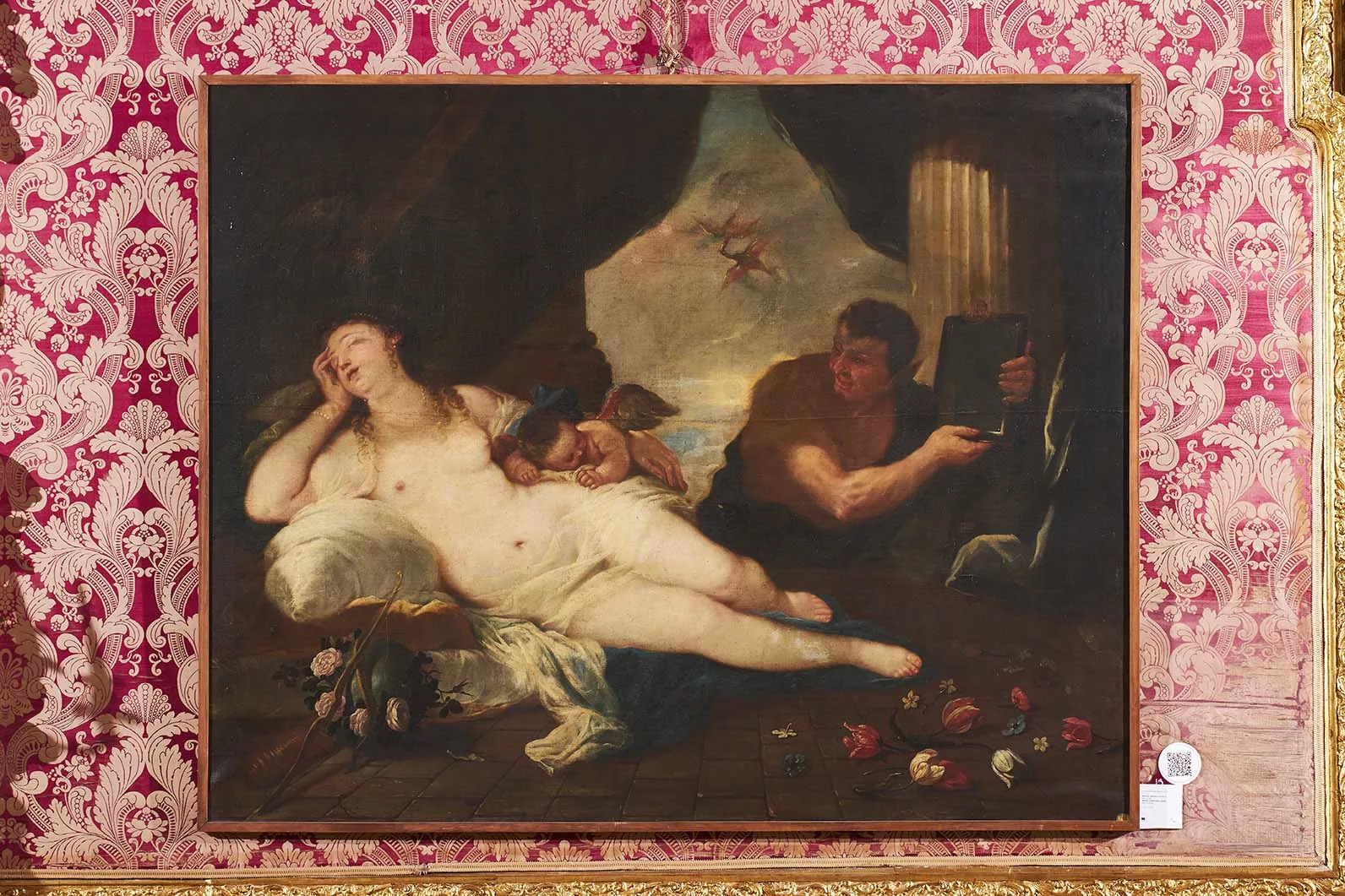
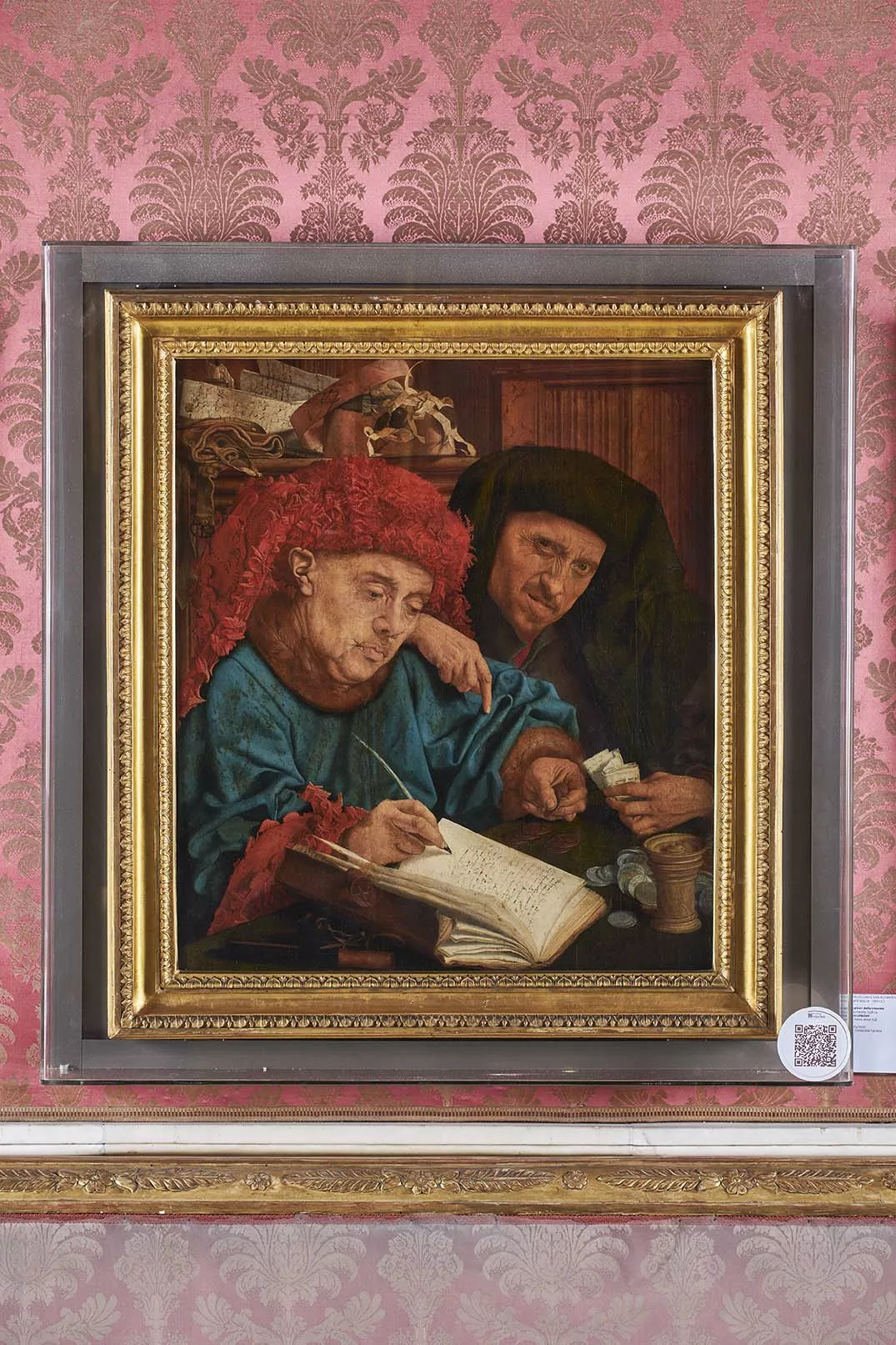
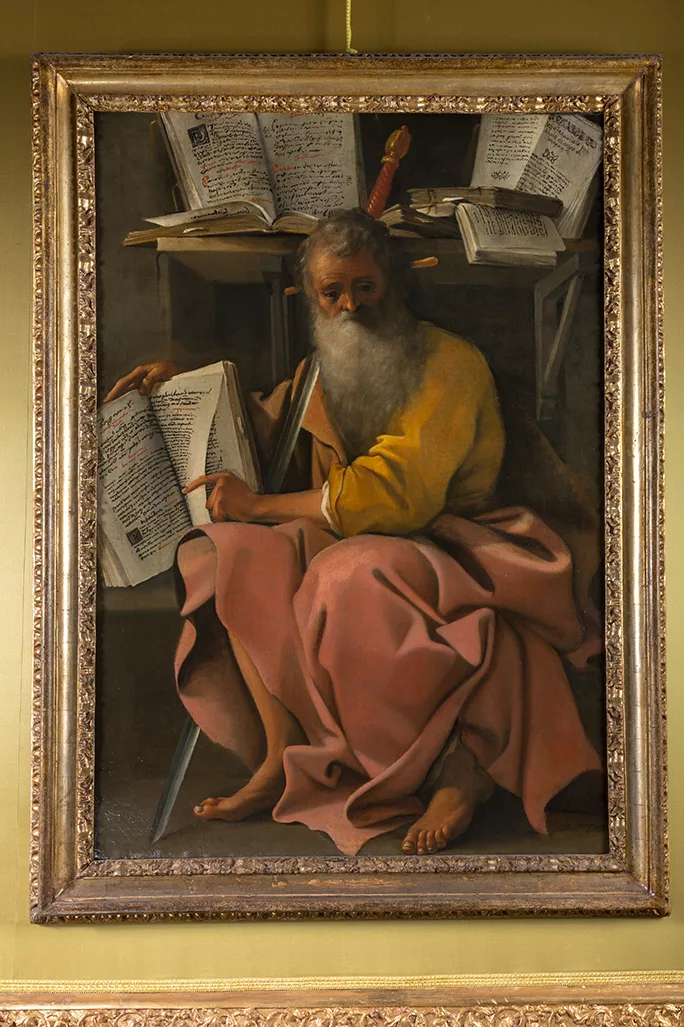
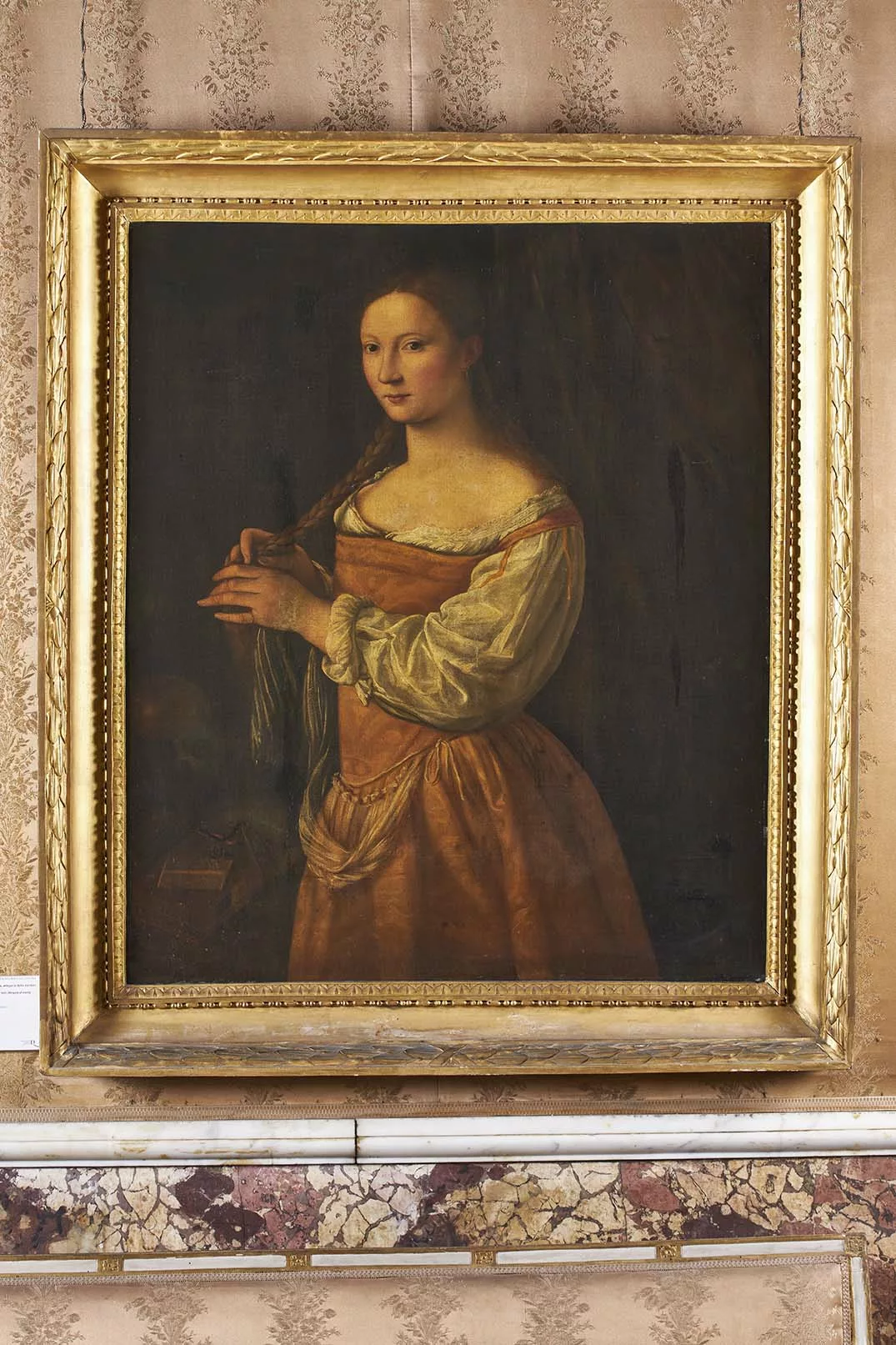
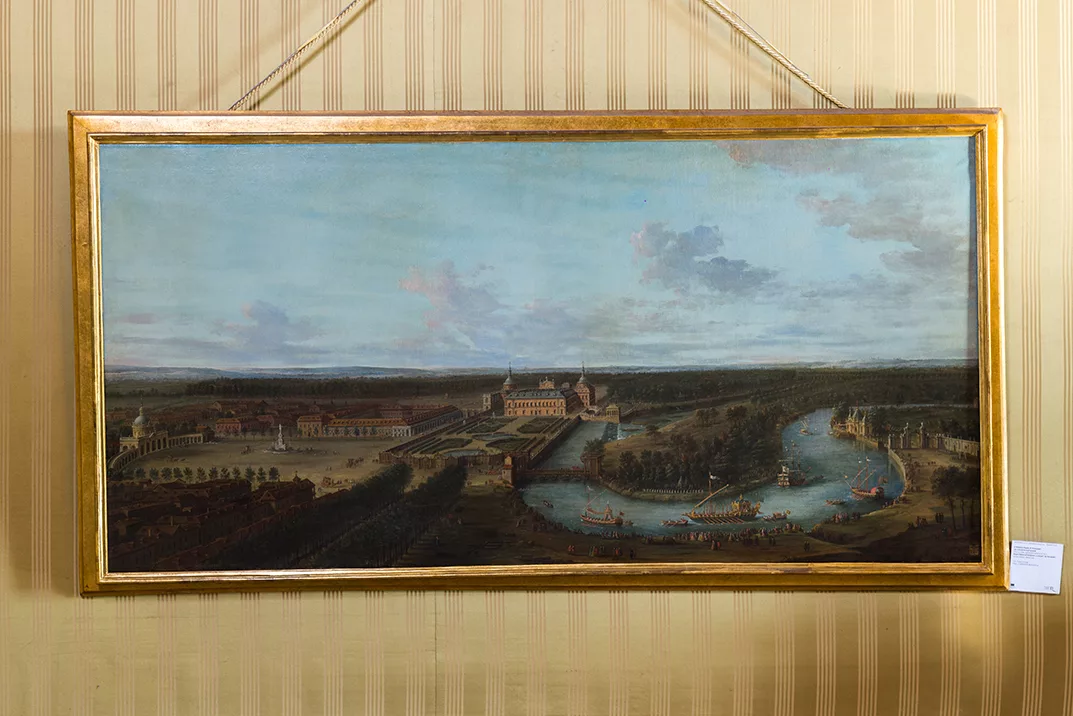
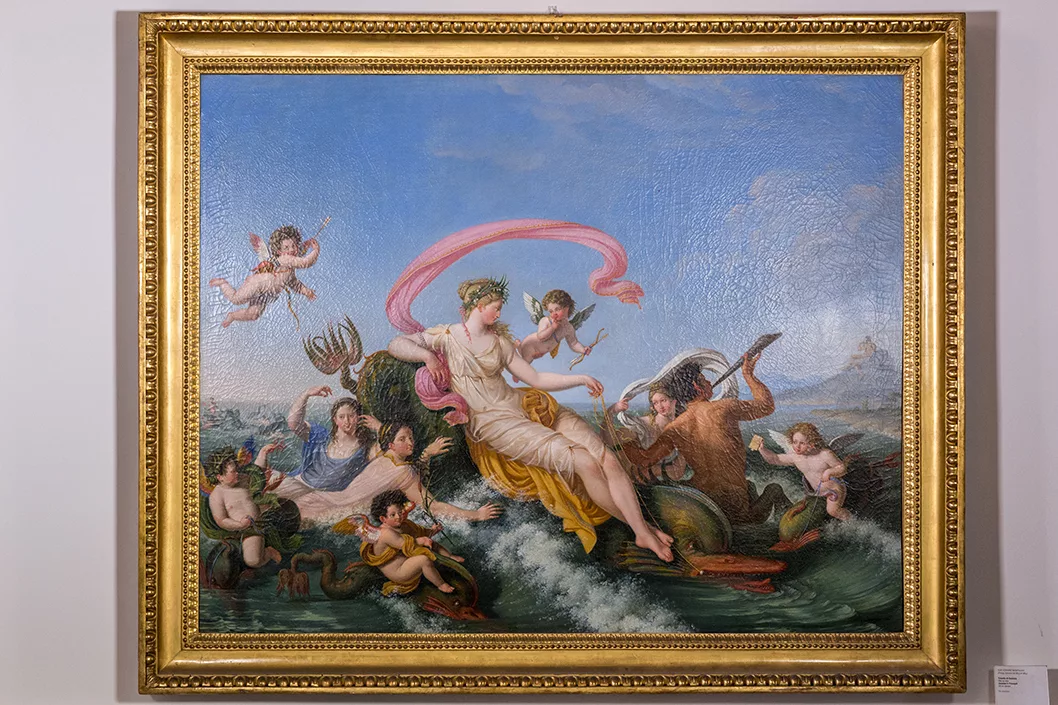
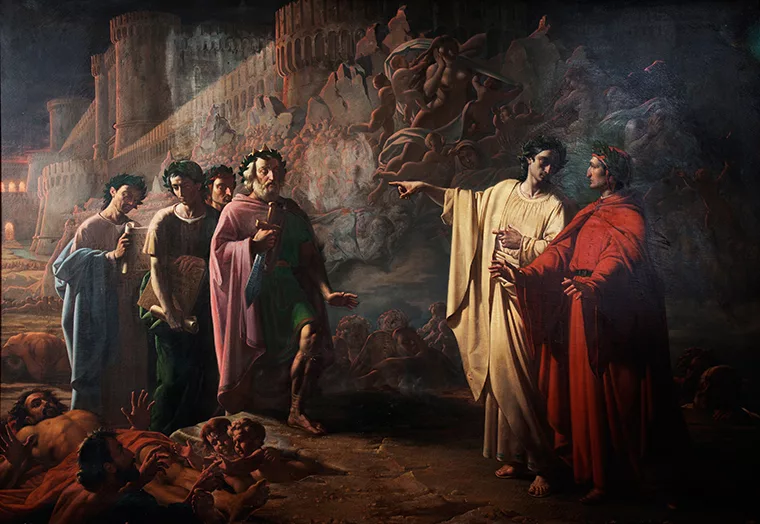
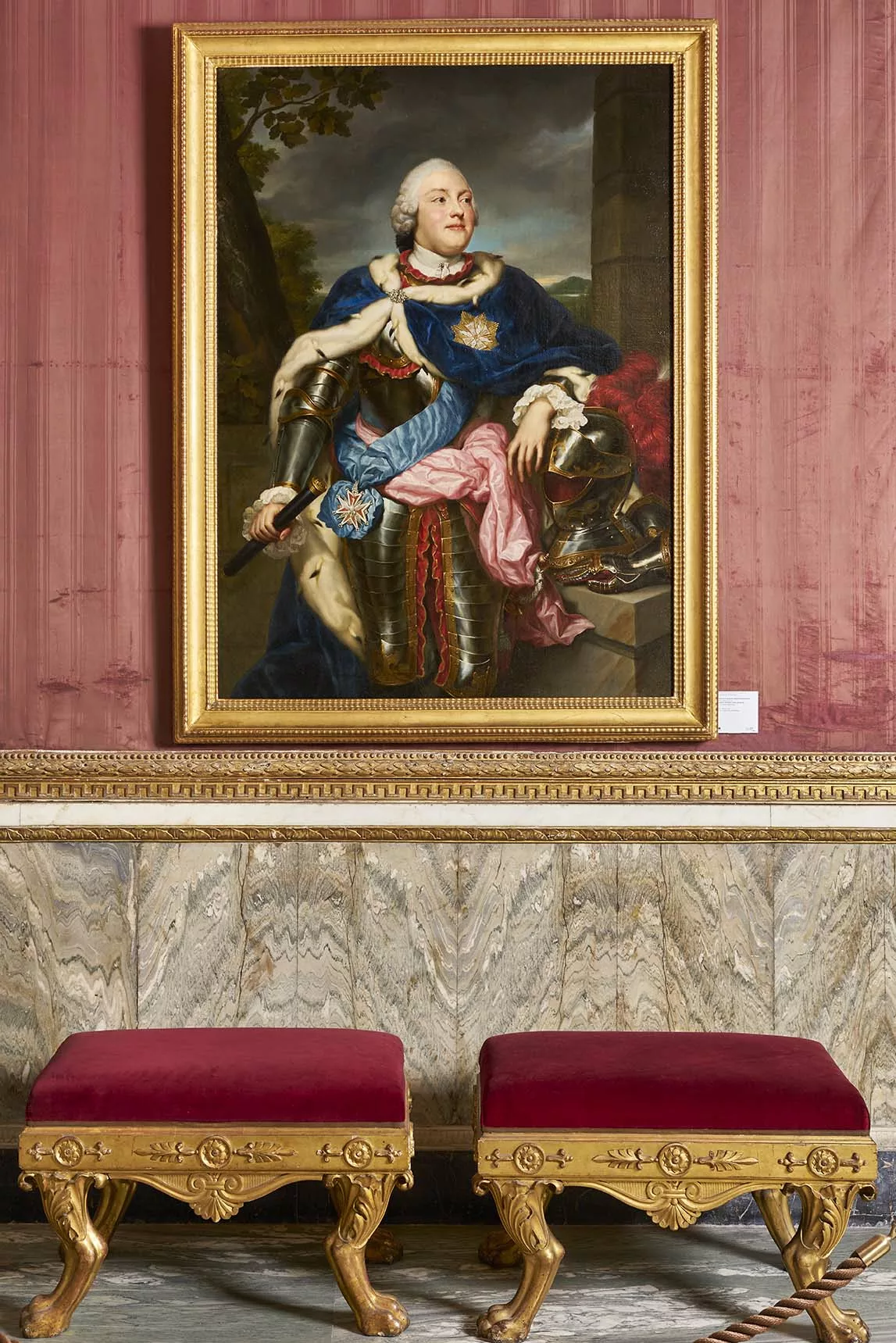
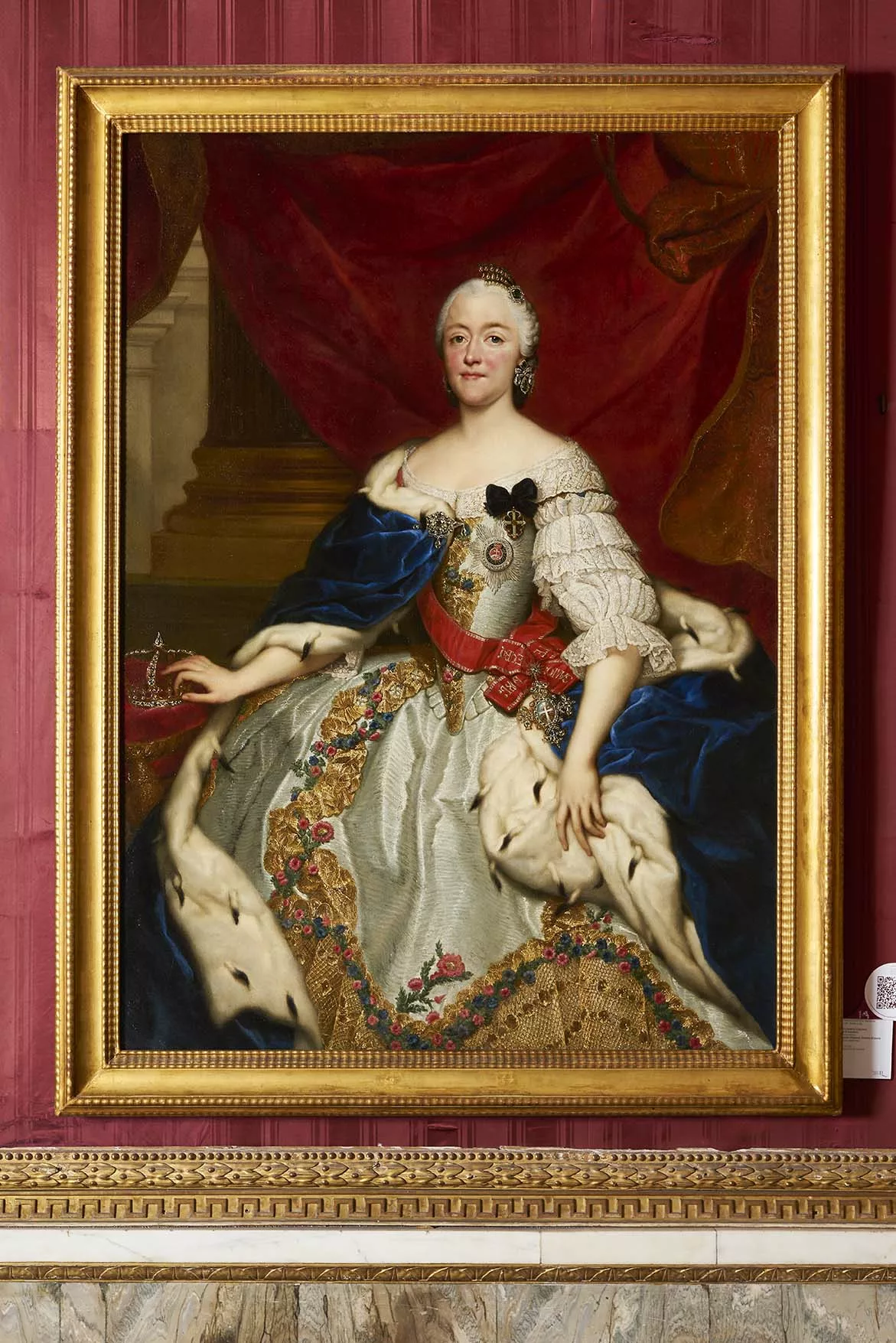
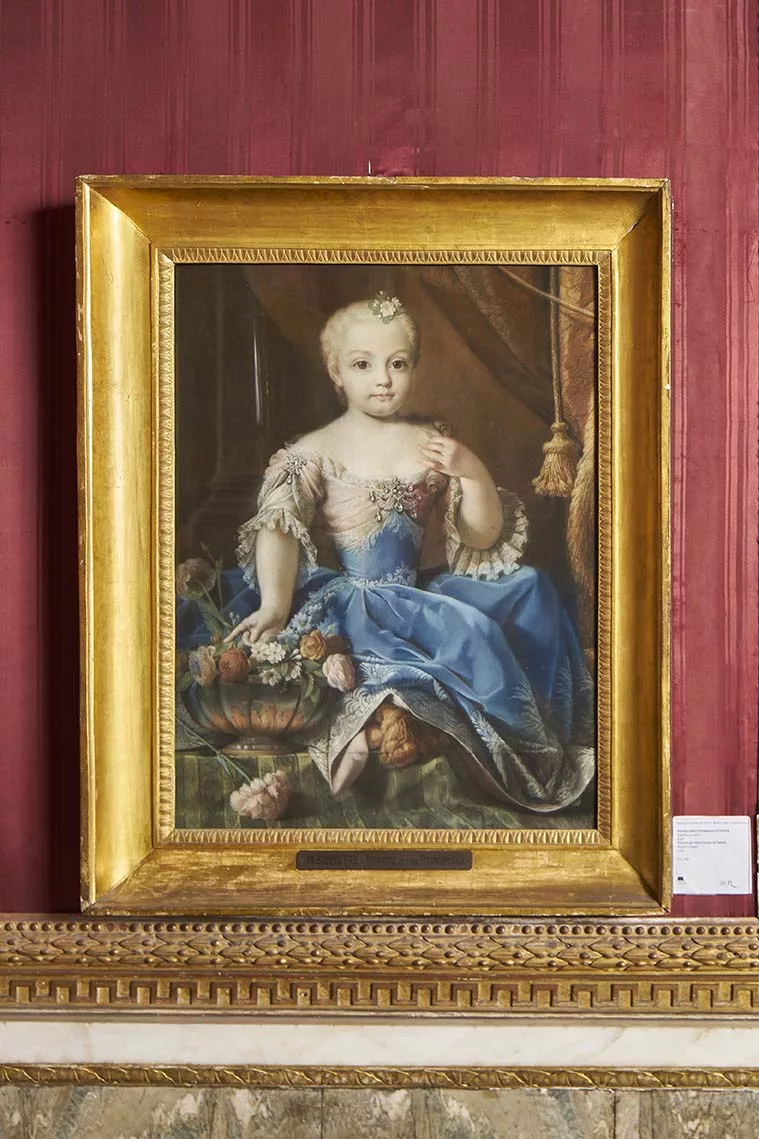
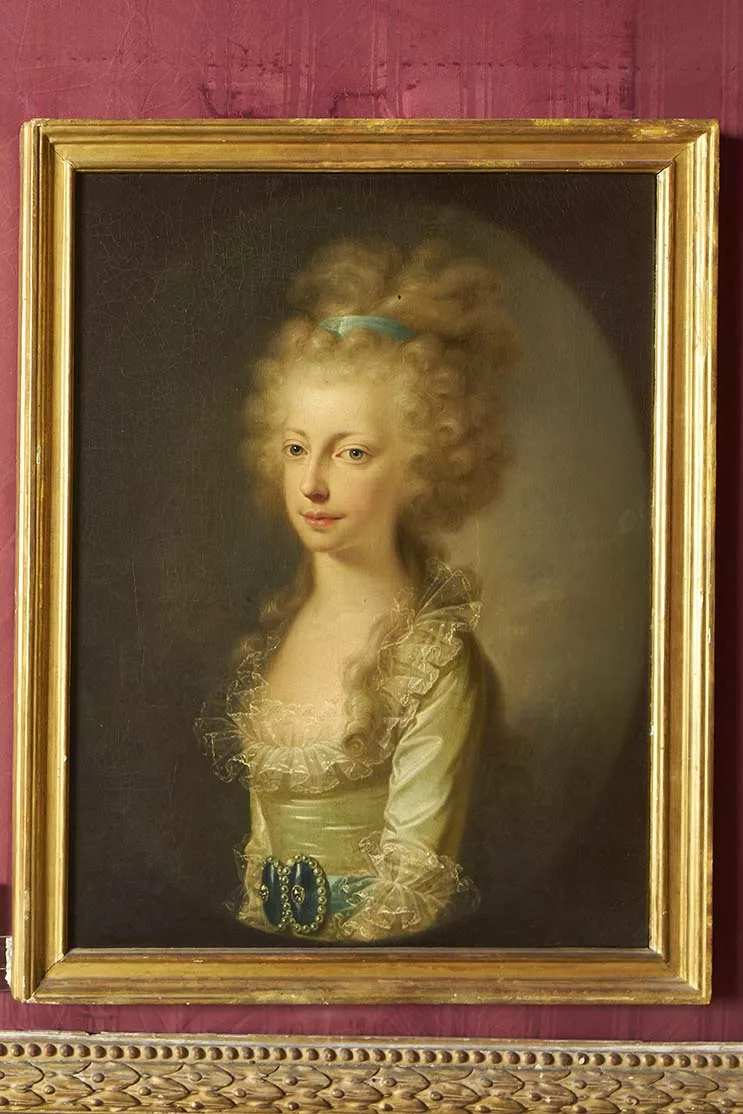
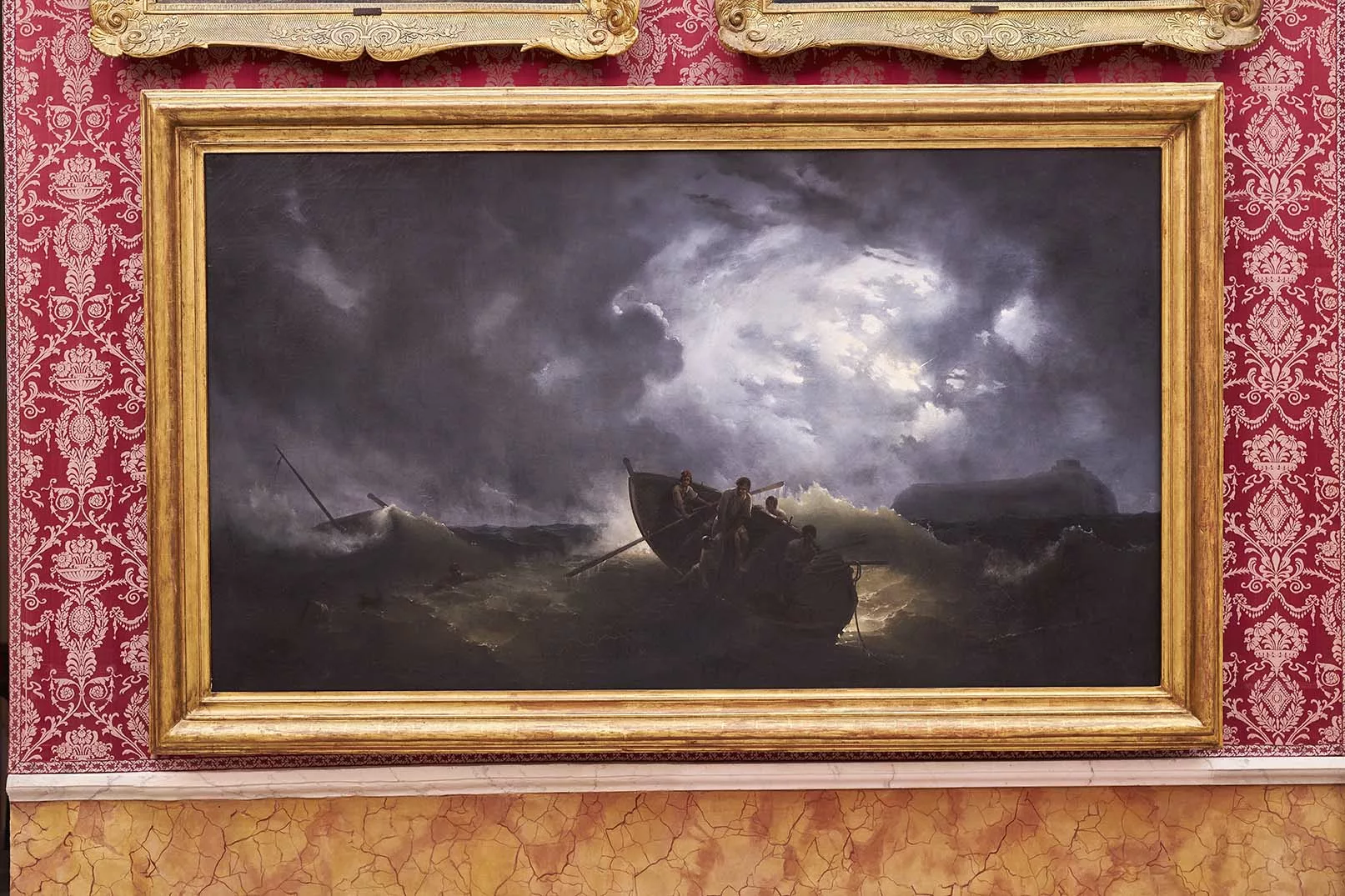
The Picture Gallery of Palazzo Reale consists of an important collection of paintings from the 17th to the 19th century, offering a rich repertoire of Neapolitan and Southern Italian schools. It also preserves a selection from the Farnese Collection in the so-called “Sala degli Emiliani,” featuring works by Guercino (1591–1666) and Bartolomeo Schedoni (1578–1615). Additionally, the collection includes Flemish school paintings acquired by Ferdinand IV and French school paintings commissioned during the Murat period.
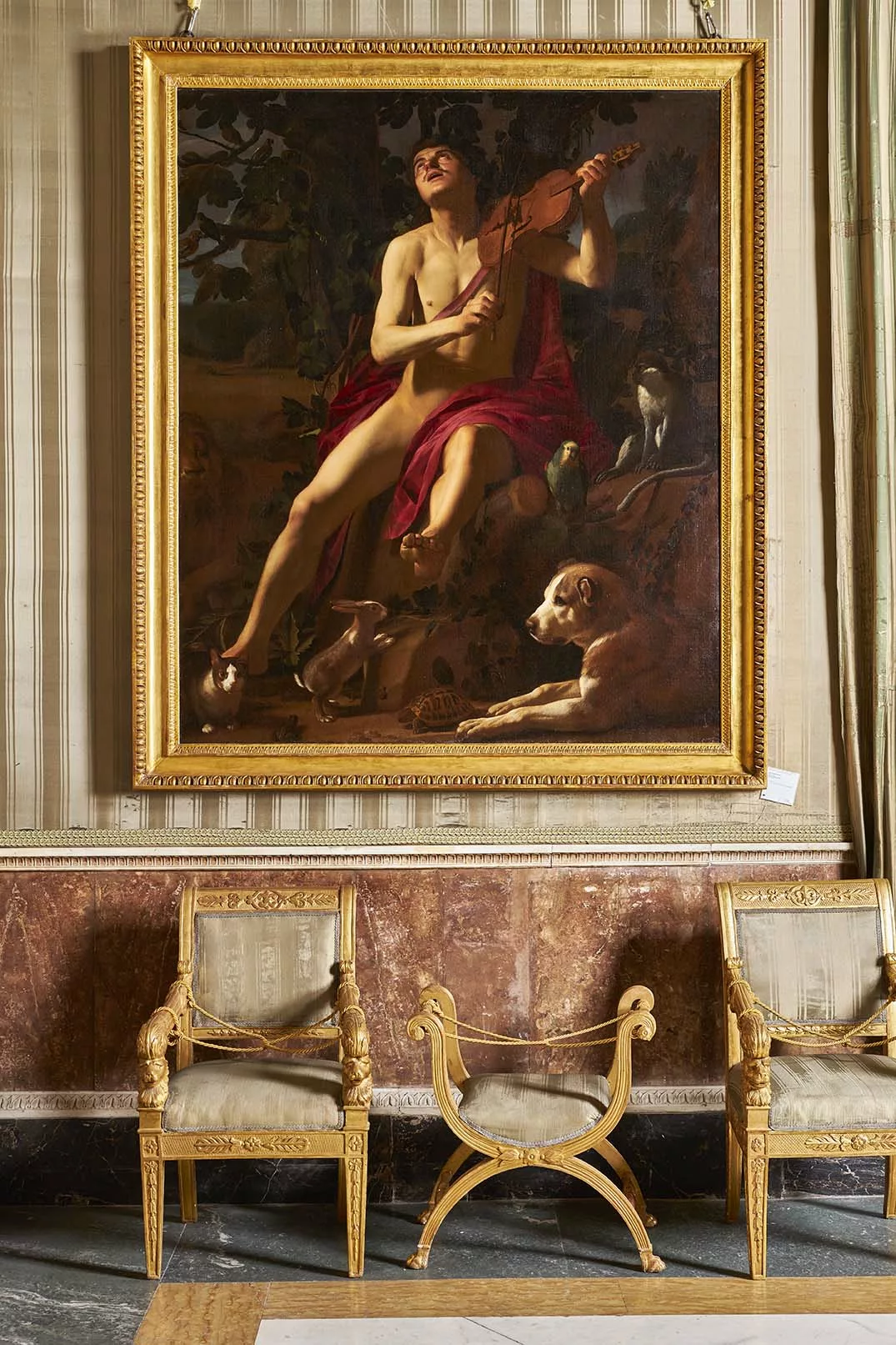
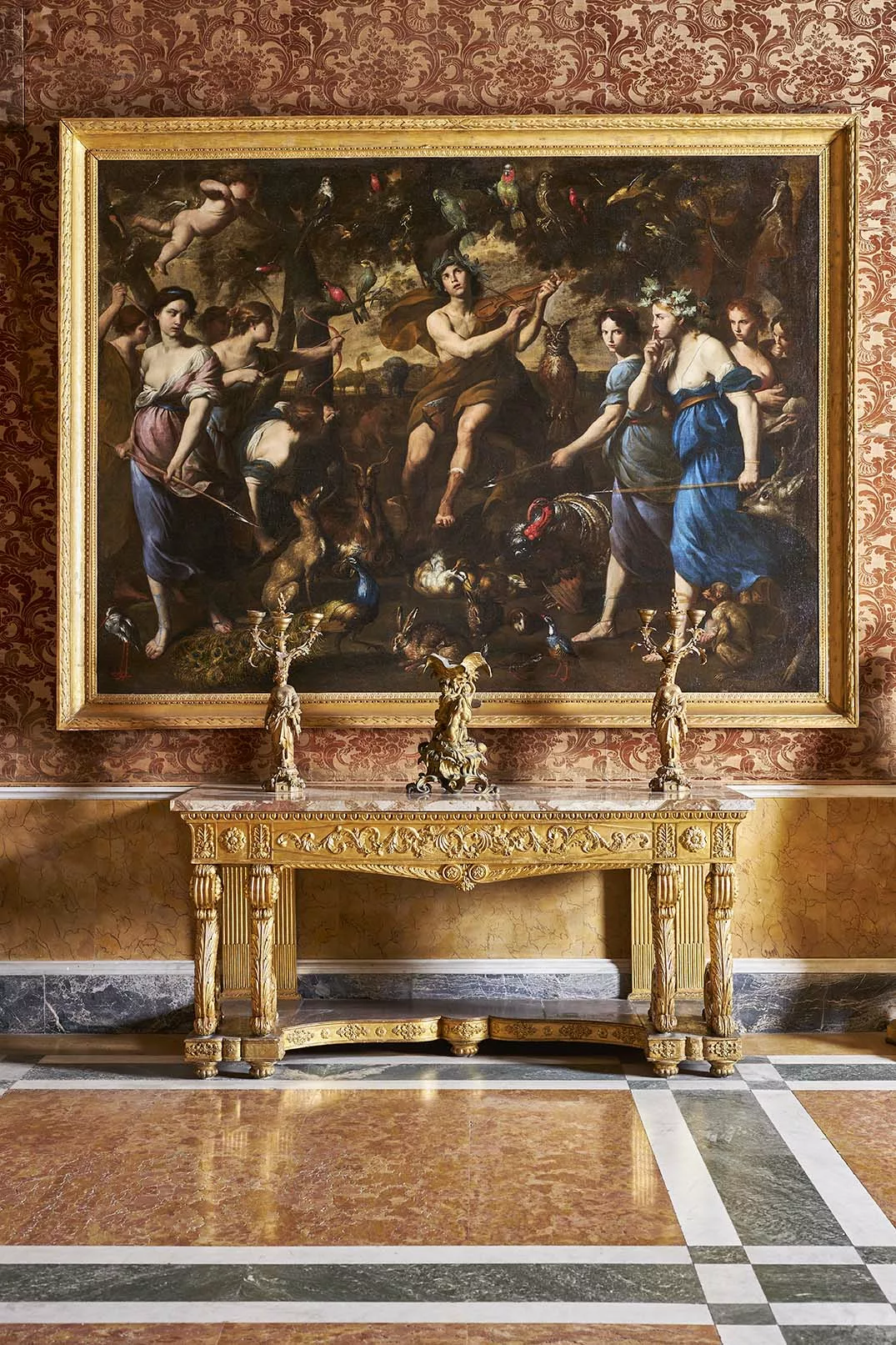
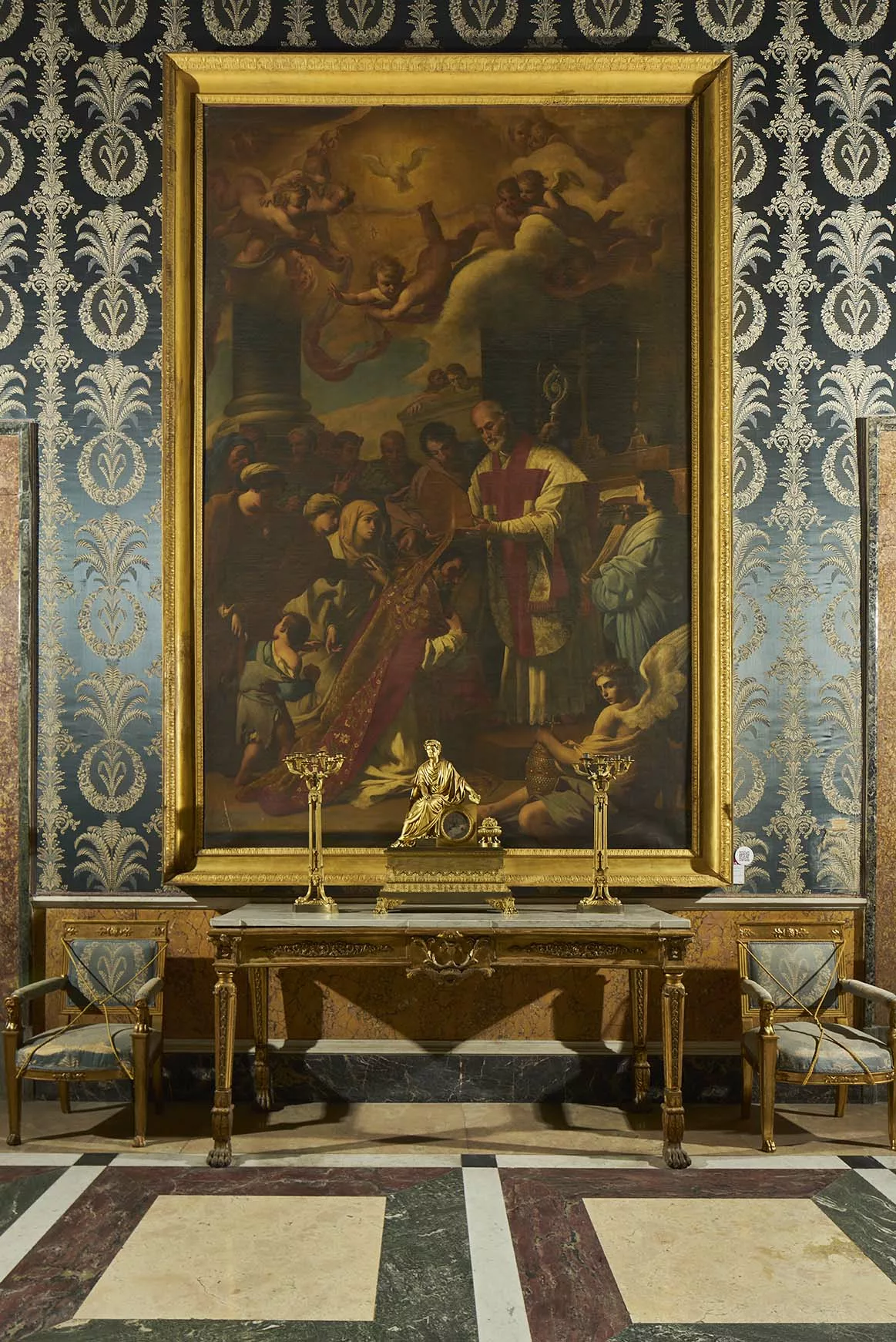
Among the most significant works is Orpheus Enchanting the Animals (circa 1615) by the Dutch artist Gerrit van Honthorst, which entered the Bourbon collections in 1802, originally attributed to Caravaggio. Also noteworthy are The Vestition of Saint Asprenus by Massimo Stanzione (1585–1656), a key figure in Neapolitan Caravaggism, and The Massacre of the Innocents by Andrea Vaccaro (1604–1679).
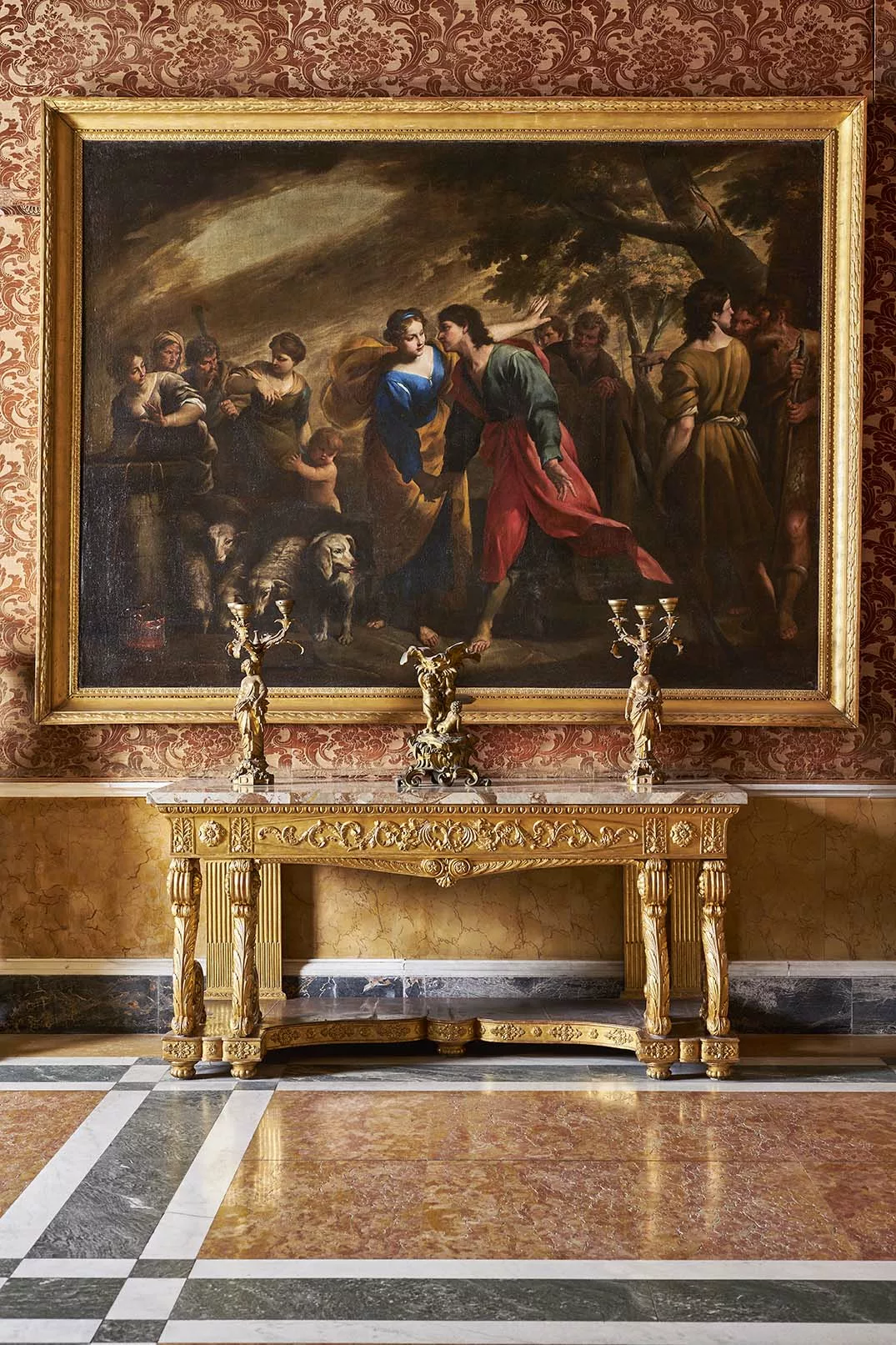
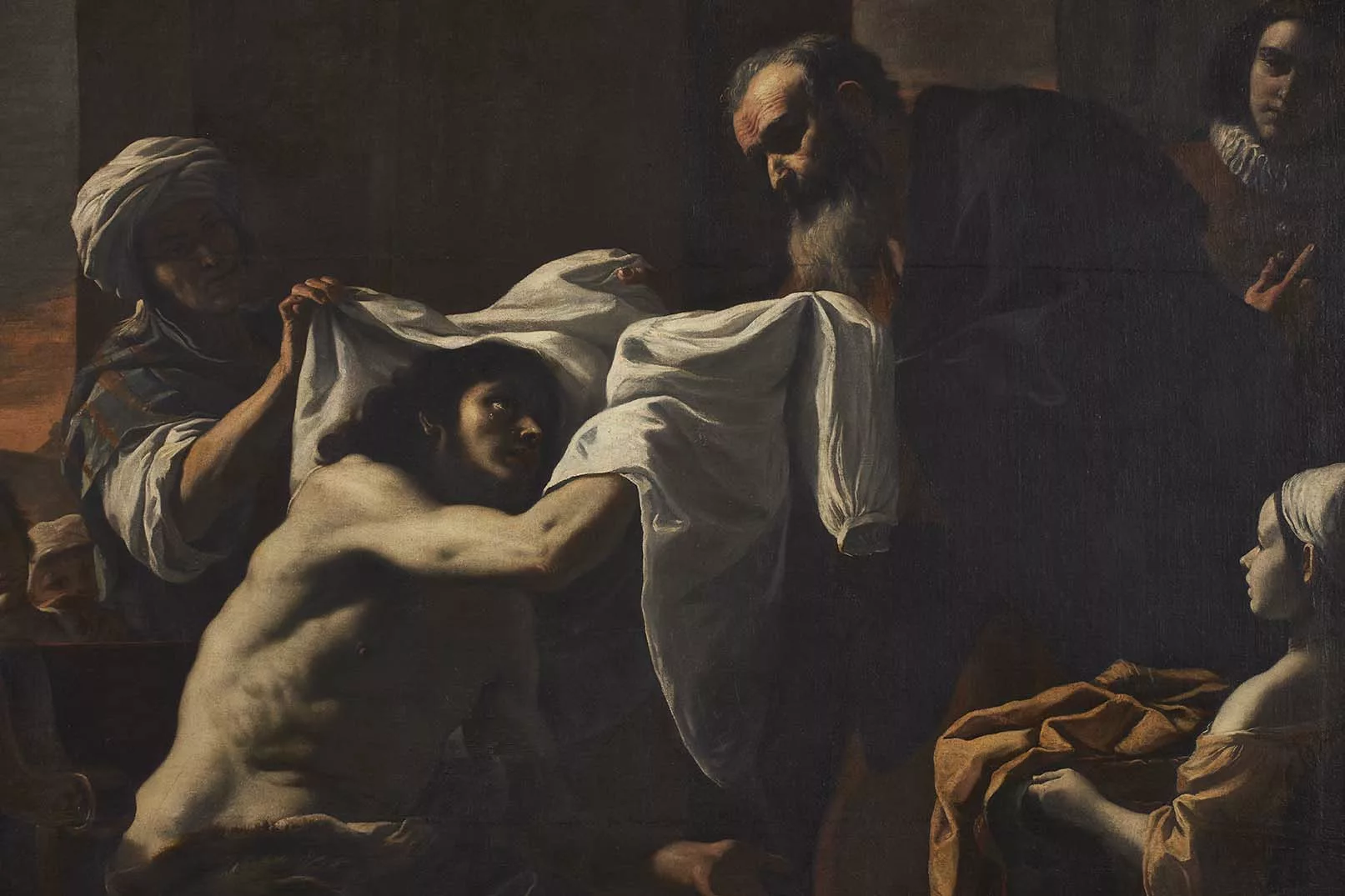
One of the oldest works in the collection is The Misers, Tax Collectors by Marinus van Reymerswaele (1493–1567), a moralistic caricature illustrating the temptations associated with handling money. Two additional works by Andrea Vaccaro (1604–1670), Orpheus and the Bacchantes and The Meeting of Rachel and Jacob, highlight the artist’s classical influences, despite his early naturalistic training. The collection also includes The Return of the Prodigal Son by Mattia Preti (1613–1699), where the artist employs Caravaggesque light contrasts to emphasize the theme of forgiveness, and Venus, Cupid, and a Satyr by Luca Giordano (1634–1705), which reflects the influence of Venetian iconographic and pictorial traditions.
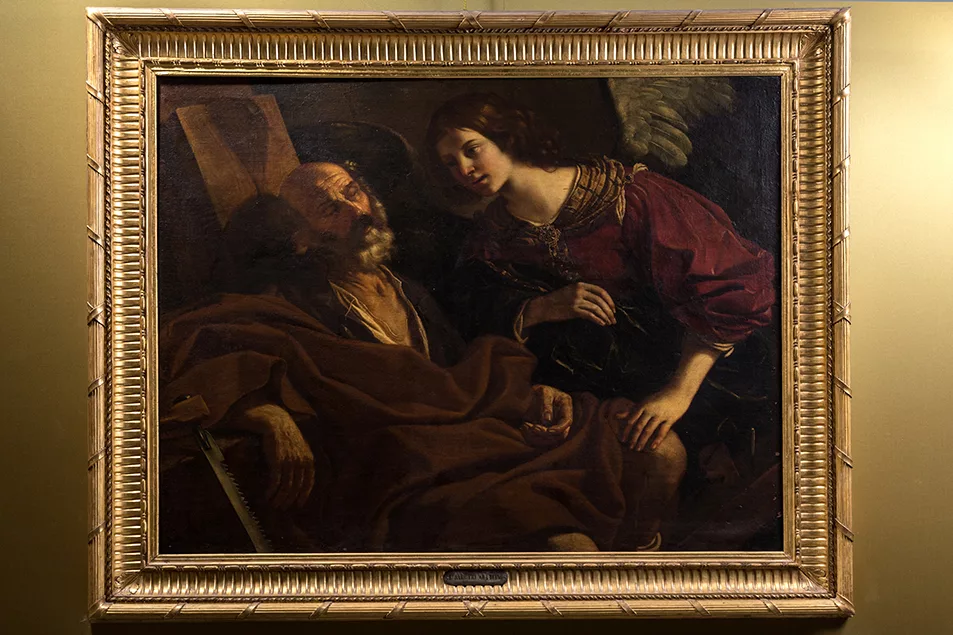
From the Farnese Collection, the gallery features two works by Bartolomeo Schedoni, a Mannerist painter influenced by Correggio, depicting Saint Joachim and Saint Anne at the Golden Gate of Jerusalem (traditionally titled The Charity of Saint Elizabeth) and The Workshop of Saint Joseph, both originally housed in the Church of San Francesco in Piacenza. Also included is The Dream of Saint Joseph by Giovan Francesco Barbieri, known as Guercino.
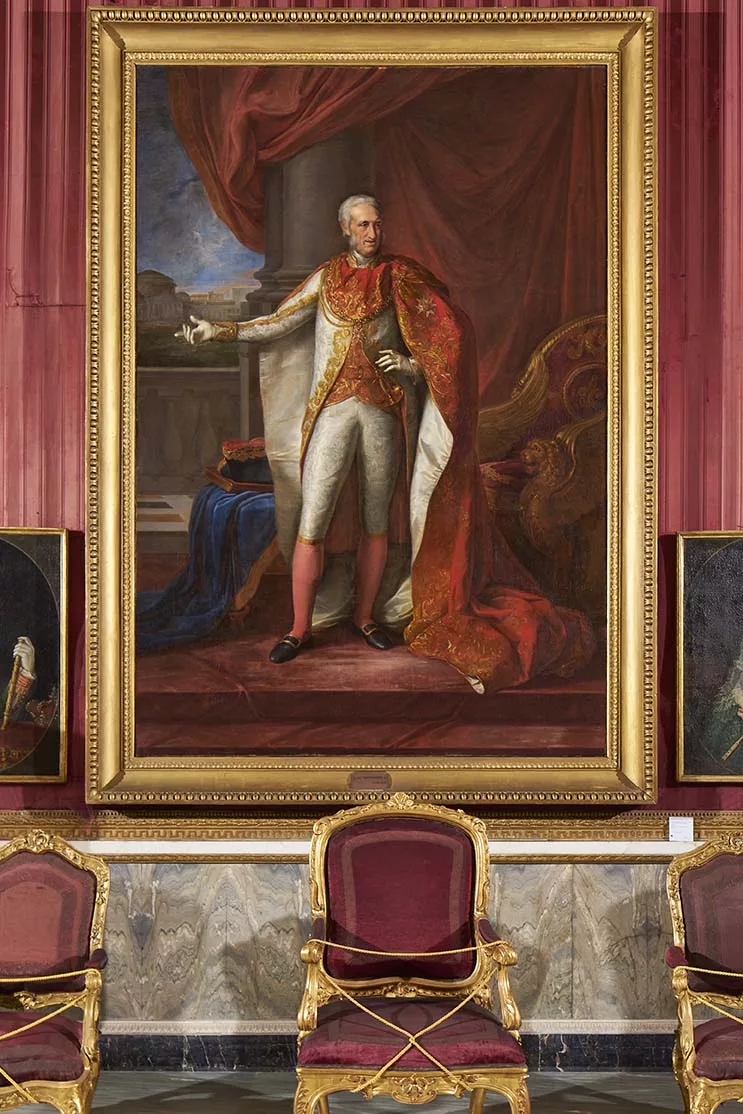
Among the 19th-century paintings, a standout piece is the iconic Portrait of Ferdinand I of the Two Sicilies by Vincenzo Camuccini (Rome, 1771–1844), displayed in the Throne Room. The painting depicts the king pointing from Palazzo Reale toward the Basilica of San Francesco di Paola, which he commissioned as an ex voto following the Restoration.